Five Questions on the Future of Security Leadership
The Clarity Factory
As the responsibilities of today’s Chief Security Officer continue to expand, credible industry research has become essential to how Security leaders benchmark performance, secure resources, and demonstrate business value.
The 2026 CSO Survey, led by The Clarity Factory, remains one of the most important research initiatives shaping the future of the profession. More than a pulse check on industry trends, the survey helps strengthen how the CSO role is understood at the executive level and reinforces Security’s position as a strategic business leadership function.
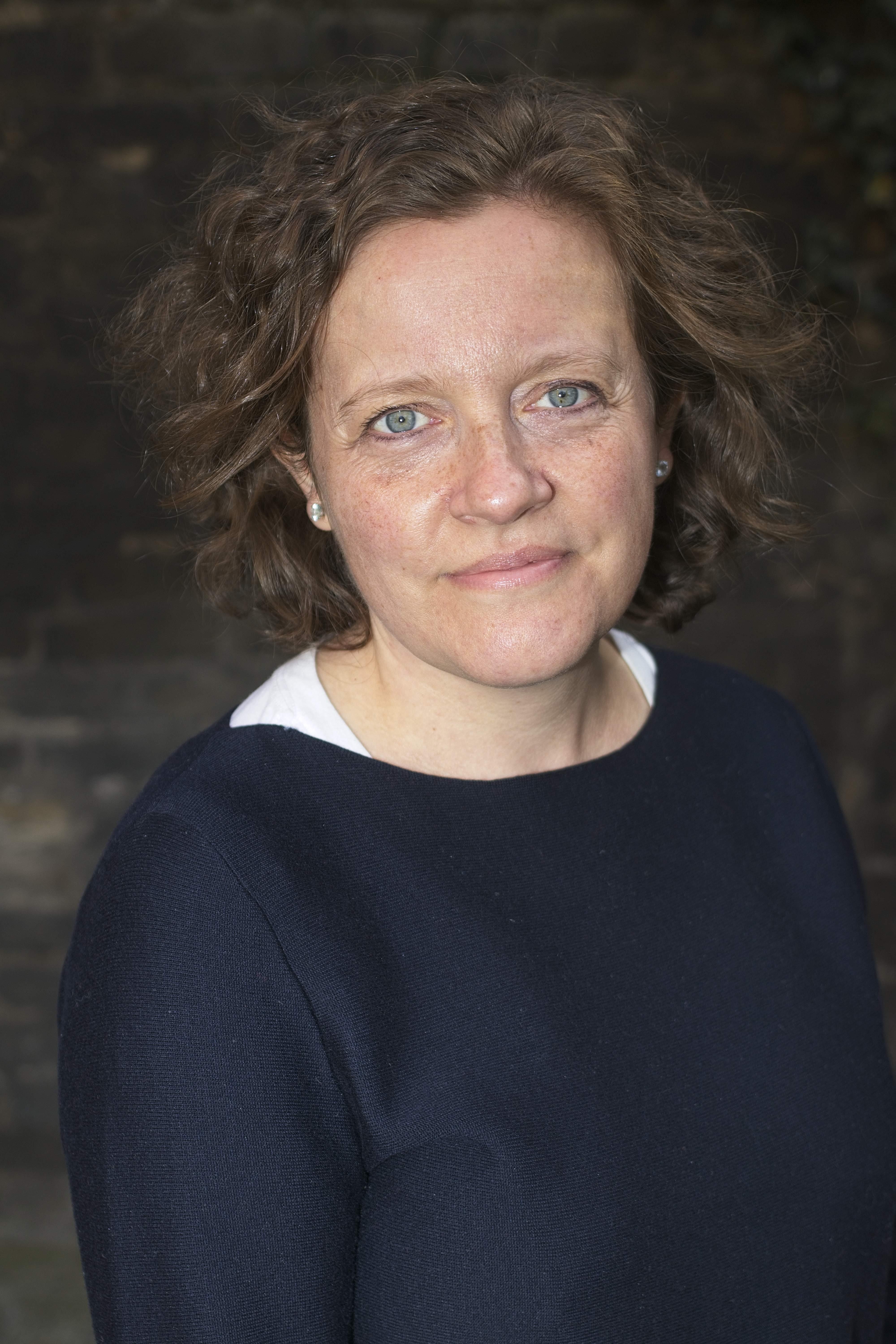
We spoke with Rachel Briggs, founder of The Clarity Factory a respected voices in corporate security leadership research, about what Security leaders should be paying close attention to in 2026.
1. You've spent years studying how security leaders operate. What's the single biggest blind spot you see in how organizations support their CSOs today?
Rachel Briggs:
“Most C-Suite executives we interview still don’t understand the value of partnership between corporate security and cyber security functions. They see them as distinct disciplines that sit in different parts of the business – cyber usually within IT or technology and corporate security within either legal, facilities or operations.
This is a missed opportunity.
Not only are there dependencies between the two due to the converged threat environment, but between them they oversee the three operational resilience processes: business continuity, crisis management, and disaster recovery.
Partnership between corporate and cyber security doesn’t just strengthen security – it makes the business more resilient.”
For CSA, this reflects what we continue to see across client engagements: Security functions create greater enterprise value when they are aligned across risk, resilience, operations, and technology leadership.
2. The 2026 CSO Survey is your second major research cycle. What has surprised you most about how the CSO role has evolved since you started tracking it?
Rachel Briggs:
“The Clarity Factory has been working with CSOs for nearly five years and I have been working with them for almost three decades – and the role has changed considerably.
Over the last few years, CSOs – like all corporate leaders – have found themselves grappling with intense and significant change within their organizations because of digitalization, technology adoption, shifting work patterns, generational change within the workforce, and the speed of information flow.
Successful CSOs have understood the implications of these changes, leaned into technology, used data to tell the story of their function, and recruited diverse teams to meet the complex needs of their company.”
This is exactly why industry-wide research matters. It helps Security leaders benchmark how their function is evolving relative to peers and provides executives with evidence that the CSO role has expanded well beyond traditional physical security boundaries.
3. If a CEO asked you — honestly — what their CSO needs most right now, what would you tell them?
Rachel Briggs:
“Without a doubt, support from technology and product colleagues to enhance the corporate security function’s ability to use technology and data more effectively.
One of our clients recently moved their corporate security function to report into the Chief Technology Officer and the CSO describes the impact as transformational.
His technology colleagues are now curious about security and have begun to help the corporate security team to make better use of company-wide technology tools and become smarter consumers of security technologies.
CEOs don’t need to redraft the org chart to make this happen – but they must empower and resource their technology team to better support corporate security’s mission.”
This insight reinforces a broader shift in how leading organizations are treating Security: not as an isolated operational function, but as a strategic business capability enabled by data, systems, and cross-functional partnership.
4. What's one trend or data point from previous surveys that you think corporate security leaders are still underestimating?
Rachel Briggs:
“In 2025, three quarters of CSOs said silos and fragmented data impacted the effectiveness of their team.
This chimes with data from previous surveys and feedback we get from clients.
While CSOs value partnership across the business and increasingly collaborate with everyone from HR and communications to government relations and legal, achieving structured and enduring collaboration goes well beyond interpersonal relationships at executive level.
We find many CSOs struggle to embed these partnerships to last.”
This is one of the most important signals for the profession. Lasting collaboration requires governance, defined operating models, decision rights, and shared accountability frameworks — all areas where Security must increasingly demonstrate executive leadership.
5. What would you say to a CSO who's on the fence about taking 10 minutes to participate in this year's survey?
Rachel Briggs:
“The survey is co-designed by our CSO Advisory Council to ensure we capture the data CSOs need, and we publish the results free of charge in September.
The more CSOs take part, the better the data that corporate security leaders can use to benchmark and make resourcing decisions for the year ahead.
It really is a collective effort.
Participation is strictly anonymous so your data is safe.”
Why This Survey Matters to the Security Profession
At CSA, we believe this survey is one of the most important pieces of research available to the Security industry today.
For too long, Security leaders have had limited external data to help quantify their function’s business impact, benchmark organizational maturity, and support executive-level investment decisions.
The 2026 CSO Survey helps change that. It provides the data Security leaders need to strengthen business cases, inform resourcing decisions, and continue positioning the CSO as a strategic enterprise leader rather than a functional cost center.
Most importantly, it helps the profession speak with greater clarity and credibility at the C-suite and board level.
Take the 2026 CSO Survey
CSA is proud to support this important industry initiative as a Gold Sponsor.
If you are a corporate security leader, we strongly encourage you to contribute your perspective.
Deadline: Thursday, April 30, 2026
Ten minutes of participation helps strengthen the data that advances recognition of Security as a business-critical leadership function across the industry.
Speak to a Security Expert
Enter your information below to speak to a security expert on our team.